
Jacksonville Phone Code Dialing
Jacksonville uses the North American Numbering Plan format: +1 NPA-NXX-XXXX. In plain terms, a local number has the country code +1, a three-digit area code, a three-digit prefix, and a four-digit line number. For domestic local calls in Jacksonville, the working rule is 10 digits. The area code must be dialed even when the call feels local, because the 910 region moved to mandatory 10-digit dialing on October 24, 2021 and later received the 472 overlay.
The first phone codes most residents use are not star features or toll-free prefixes. They are the area code and the service code needed for the call path. A city utility number, school extension, county office line, hospital switchboard, or mobile contact should be saved with all 10 digits. Mobile address books can also store Jacksonville numbers as +1 followed by the full 10-digit number, which works well for travel and international callback.
| Call Type | Dial Flow | Jacksonville Use |
|---|---|---|
| Local call | Area code + seven-digit number | Use 10 digits for 910 and 472 numbers. |
| Long distance in the United States | 1 + area code + seven-digit number | Some landline carriers still expect the leading 1. |
| Mobile stored format | +1 + area code + seven-digit number | Best for contacts and calls while traveling. |
| Toll-free call | 1 + toll-free prefix + seven-digit number | 800-family prefixes are not local geography. |
| International from a landline | 011 + country code + national number | Use the destination country's code after 011. |
Jacksonville N11 Phone Codes
N11 codes are three-digit service codes reserved for public, carrier, or community functions. They are not area codes and they do not identify a neighborhood. Jacksonville residents should treat these as direct service routes, with one important local caveat: Jacksonville does not appear to operate a confirmed city 311 system from the inspected official sources. City service questions should use the city switchboard, official department pages, the CivicEngage staff directory, or the city form center unless the city later publishes a 311 launch.
Several N11 routes are central to local phone use. NC 211 helps with food, housing, health, family, veteran, disability, transportation, and nonprofit referrals. NC 811 is for utility marking before digging, not emergency dispatch. 988 is for suicide, mental-health, and substance-use crisis support. 911 remains the emergency route for immediate police, fire, EMS, active danger, crash, or medical response.
| N11 Code | What It Reaches in Jacksonville | Local Note |
|---|---|---|
| 211 | NC 211 community services | Food, shelter, health, family, veteran, disability, and nonprofit referrals. |
| 311 | Municipal service line where offered | Not confirmed for Jacksonville in the inspected sources; use city switchboard and forms. |
| 411 | Carrier directory assistance | May be fee-based and less current than official directories. |
| 511 | Traffic or travel information where available | Verify current North Carolina service availability before relying on it. |
| 611 | Your own carrier's repair or customer service | Routes by carrier, not by city government. |
| 711 | Telecommunications Relay Service | TTY and relay access. |
| 811 | NC 811 utility locate requests | Use before excavation or digging projects. |
| 911 | Emergency dispatch | Immediate danger, active crime, fire, crash, or medical emergency. |
| 988 | Suicide and Crisis Lifeline | Call, text, or chat for 24/7 crisis support. |
Jacksonville Star Phone Codes
Vertical service codes are star codes that trigger calling features on a line. They are common across North American carriers, but support varies by landline, cable voice, wireless, and VoIP provider. A Jacksonville resident may find that a code works on an older home line but not on a mobile phone, or that a carrier app has replaced the old feature. Treat these phone codes as carrier features, not as city services.
| Star Code | Common Function | Caveat |
|---|---|---|
| *57 | Call trace | Often used after harassment or threatening calls; carrier and law-enforcement steps may apply. |
| *60 | Selective call rejection | Availability varies by landline or VoIP provider. |
| *67 | Block caller ID for the next call | May not work for emergency or toll-free calls. |
| *69 | Return the last incoming call | May be fee-based or unsupported. |
| *70 | Disable call waiting for one call | Mainly a landline or cable voice feature. |
| *72 | Activate call forwarding | Carrier-specific setup can differ. |
| *73 | Cancel call forwarding | Carrier-specific setup can differ. |
| *77 | Anonymous call rejection | Support varies by provider. |
| *82 | Unblock caller ID for the next call | Useful if a line blocks caller ID by default. |
Note: For threatening calls, use emergency or law-enforcement channels when safety is at risk, not only a carrier feature.
Jacksonville Calling Code Set
Area codes are one class of phone code. Jacksonville's current calling-code set is 910 and 472. The 910 code is the long-running local identity for city government, Onslow County, Onslow County Schools, Coastal Carolina Community College, and many older public listings. The 472 code is an all-services overlay, so new residential, mobile, business, or VoIP lines can receive 472 within the same local map.
The geographic detail belongs with Jacksonville phone area codes, but the dialing point is brief: both codes require 10-digit local dialing. A 472 number should not be dismissed as out of town, and a 910 caller ID should not be trusted just because it looks local. Scammers can spoof either code.
- 910 - historic primary Jacksonville and southeastern North Carolina area code, created from 919 in 1993.
- 472 - all-services overlay added to the 910 geography in 2022.
- 919 - historical parent code, not a current Jacksonville local code.
Dial Out of Jacksonville
Jacksonville dialing is easiest when broken into a short sequence. The same steps work for city offices, county agencies, school lines, local businesses, and personal numbers as long as the number is current. They also prevent common errors with old seven-digit notes, pasted numbers without an area code, or calls from outside the United States.
- For a local Jacksonville call, dial all 10 digits. Include 910 or 472 before the seven-digit number.
- For a domestic long-distance landline call, dial 1 first if the carrier requires it, then the 10-digit number.
- For a mobile contact, store the number as +1 followed by the 10-digit number.
- For an international landline call from Jacksonville, dial 011, then the country code, then the destination number.
- For a call to Jacksonville from abroad, dial the caller's international exit code, then 1, then the 10-digit Jacksonville number.
Jacksonville Toll-Free Codes
Toll-free prefixes are phone codes used for billing and routing, not location. A number beginning with 800, 888, 877, 866, 855, 844, or 833 can serve Jacksonville residents, but the prefix itself does not mean the office is in Jacksonville or North Carolina. Public agencies, utilities, insurers, banks, and national hotlines may use toll-free numbers, while local offices may still publish direct 910 lines.
| Code Family | Meaning | Use Caution |
|---|---|---|
| 800 | Original toll-free prefix | Not a local area code. |
| 888, 877, 866 | Additional toll-free prefixes | Same function as 800. |
| 855, 844, 833 | Newer toll-free prefixes | Same function as 800. |
| 900 | Premium-rate services | Charges may apply; avoid unknown premium calls. |
| 011 | International access prefix from the United States | Follow with destination country code and number. |
Jacksonville Country Code +1
Country code +1 covers the United States, Canada, and other North American Numbering Plan member territories. Jacksonville numbers can be written as +1 followed by the 10-digit number, which is the cleanest format for mobile contacts and international address books. Domestic callers inside the United States usually do not need to type the plus sign, but mobile phones handle it well.
International dialing out of Jacksonville depends on the device. A landline uses 011, then the country code, then the foreign national number. A mobile phone often uses the plus sign instead of 011. When someone outside the United States calls a Jacksonville number, they dial their country's exit prefix, then 1, then the 10-digit Jacksonville number.
Jacksonville NXX Phone Codes
The NXX is the three-digit prefix after the area code. In 910-455-2211, the NXX is 455. Prefixes once gave strong clues about a local exchange, rate center, or carrier switch. They still provide useful local texture, but they are not proof of a current subscriber, carrier, or location because number portability lets customers move numbers among providers.
Official Jacksonville-area sources show several observed prefixes. City utility and government examples cluster around 910-938. Onslow County Schools and Coastal Carolina Community College use 910-455. County examples include 910-347, 910-937, and 910-989. A complete prefix inventory requires NANPA central-office code reports or other technical numbering data, not just public directory samples.
| Observed NPA-NXX | Official Use Found |
|---|---|
| 910-455 | Onslow County Schools main line, Coastal Carolina Community College, and local public-safety examples. |
| 910-938 | City switchboard, Utilities Billing, Water Plant, and Land Treatment Site examples. |
| 910-347 | Onslow County HR and Health Department examples. |
| 910-937 and 910-989 | County staff examples and Onslow County Schools inclement weather line. |
Jacksonville Spam Code Labels
STIR/SHAKEN is the FCC-backed caller-ID authentication framework that carriers use to help detect spoofing. It can help a carrier decide whether to show a label such as "Likely Spam" or "Spam Risk," but it does not make caller ID perfect. A scammer can spoof a 910 or 472 number, and a legitimate local number can sometimes be mislabeled by a carrier filter.
The safe callback method is simple: do not use the number shown in a suspicious caller ID for payments, warrants, utilities, taxes, jury duty, or bond claims. Find the official number on a city, county, school, utility, court, or agency site, then call that number. Onslow County's bond-scam alert tells residents to report scam calls to the Sheriff's Office at 910-455-3113.
The FCC Reassigned Numbers Database is mainly a compliance tool for businesses that call consumers, but it is part of the larger phone-number ecosystem because numbers can be disconnected and reassigned.
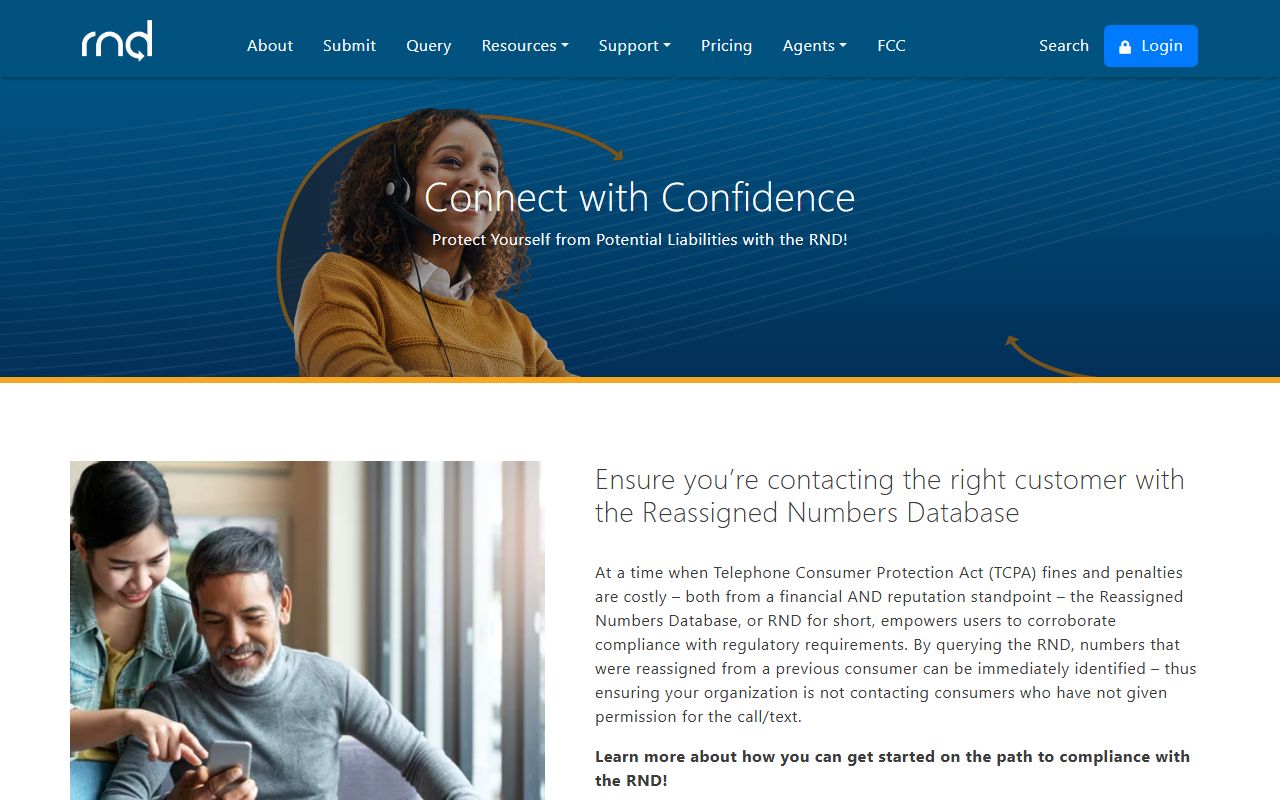
For Jacksonville callers, reassignment and spoofing both support the same habit: verify the official source before trusting a displayed number.
Jacksonville Phone Code Definitions
These terms separate the major code types used in Jacksonville dialing and number lookup.
- NPA
- The three-digit Numbering Plan Area, better known as the area code.
- NXX
- The three-digit central-office or prefix code after the area code.
- N11
- A three-digit service code such as 211, 711, 811, 911, or 988.
- Vertical service code
- A star code that activates a call feature, such as call trace or caller-ID blocking.
- Toll-free prefix
- An 800-family code that routes billing to the called party, not a geographic area.
- NANP
- The North American Numbering Plan, the +1 numbering region that includes the United States.
Look Up Jacksonville Codes
Official lookup depends on the code type. NANPA is the best public starting point for area codes and numbering-plan administration. NANPA central-office code reports are better for NPA-NXX research. FCC resources explain area codes, 10-digit dialing, caller-ID authentication, and complaint channels. NC 211 and NC 811 should be used for those specific service routes, while Jacksonville city service questions should use the city switchboard, staff directory, department pages, and form center because no confirmed city 311 service was located in the inspected sources.